
Flight delays are more than just an inconvenience. They disrupt schedules, cause stress, and sometimes lead to unexpected expenses. If you’ve ever been stuck at an airport wondering what went wrong, you’re not alone.
So, why do flights get delayed so often?
While some delays are unavoidable, others are caused by operational, staffing, or logistical challenges that most travelers never see. Understanding these reasons won’t eliminate delays, but it will help you prepare better and respond smarter when they happen.
Why Do Flights Get Delayed? Common Causes Explained
Airlines aim to operate on tight schedules, but several factors can disrupt even the best-planned itineraries.
1. Weather Conditions
Weather is one of the most unpredictable reasons why flights get delayed. Thunderstorms, heavy rain, snow, fog, and hurricanes can ground flights or slow air traffic significantly.
Even if the weather is clear at your departure airport, poor conditions at your destination or along the flight path can cause delays.
How to Reduce the Impact of Weather-Related Delays
- Check weather forecasts for both departure and arrival cities
- Book early-morning flights, which are less prone to weather disruptions
- Choose direct flights to avoid weather-related delays during connections
2. Air Traffic Congestion
Busy airports often experience air traffic congestion, especially during peak travel hours. When too many planes are competing for limited runway or airspace availability, departures and arrivals are delayed.
How to Avoid Delays Caused by Airport Congestion
- Fly during off-peak hours (early morning or late night)
- Consider alternate airports near major hubs when possible
3. Aircraft Maintenance and Mechanical Issues
Airlines conduct routine safety checks, but unexpected mechanical problems can still arise. When this happens, flights are delayed until the issue is fixed or a replacement aircraft is arranged.
How to Minimize Disruptions from Maintenance Delays
- Choose airlines with strong maintenance and safety records
- Opt for newer aircraft when booking, as they typically face fewer mechanical issues

4. Crew Scheduling and Staffing Issues
Flight crews must follow strict regulations on working hours. If a crew exceeds their allowed duty time due to earlier delays, airlines must find replacements — which can delay flights further.
How to Reduce the Risk of Crew-Related Delays
- Book earlier flights in the day to avoid cascading crew delays
- Select airlines known for strong on-time performance
5. Late Arriving Aircraft
One delayed flight can trigger a chain reaction. If your plane is arriving late from another destination, your departure may also be delayed.
How to Prevent Domino Delays from Late-Arriving Flights
- Avoid tight layovers
- Choose nonstop or point-to-point flights whenever possible
6. Security and Operational Delays
Security checks, baggage handling issues, refueling delays, and ground operations can also affect departure times.
How to Prepare for Security and Ground Operation Delays
- Arrive early to clear security smoothly
- Follow baggage guidelines to prevent last-minute issues
How to Avoid Flight Delays as Much as Possible
While you can’t control everything, you can reduce the risk.
- Choose Your Flights Wisely
- Book early-morning departures
- Prefer direct flights over connecting ones
- Research airline punctuality before booking
1. Monitor the Weather
Since weather is one of the top reasons why flights get delayed, tracking forecasts helps you anticipate disruptions and adjust plans early.
2. Arrive Early at the Airport
Security lines and check-in queues can be unpredictable. Arriving early ensures you’re not the reason for a missed or delayed flight.
3. Sign Up for Flight Alerts
Airlines provide real-time updates via email or SMS, allowing you to react quickly to schedule changes.
What to Do If Your Flight Is Delayed
Even with careful planning, delays can still happen.
- Stay Calm and Gather Information
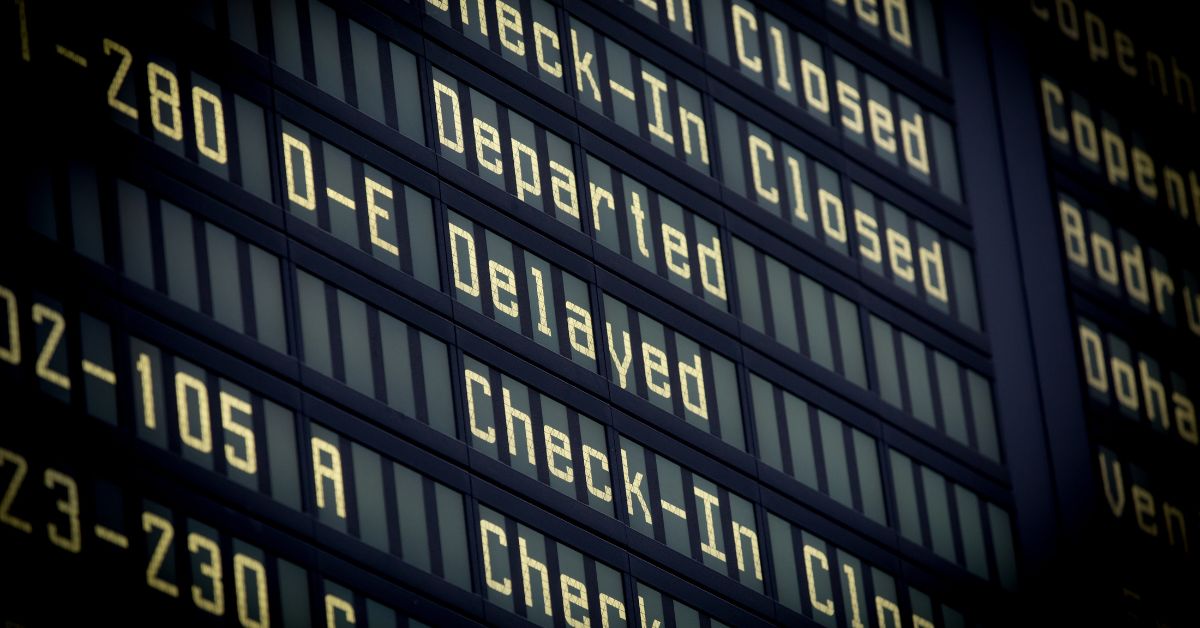
- Check flight status screens and airline apps
- Speak to airline staff for updated timelines
- Ask about alternative flights if delays are extended
1. Know Your Passenger Rights:
In the U.S., airlines are not legally required to compensate for delays, but many offer meal vouchers or hotel stays for long disruptions.
2. Use Airport Amenities:
Lounges, workspaces, and dining areas can make waiting more comfortable, especially if your credit card offers lounge access.
3. Check Your Travel Insurance:
Some insurance policies cover long delays. Review your coverage and file a claim if eligible.
4. Prepare for Overnight Delays:
Request hotel accommodations through the airline. Carry essentials like toiletries, medications, and clothes in your carry-on.
How itilite Helps When Flight Delays Are Out of Your Control
The steps outlined above can help you prepare for delays and reduce their impact. Choosing better flight timings, monitoring weather, and allowing buffer time all make a difference.
But even with the best planning, flight delays are often outside a traveler’s control.
This is where having the right travel management tool matters.
itilite supports business travelers when preparation is no longer enough and real-time action is needed.
1. Support when plans break down, not just when things go right
When a delay turns into a cancellation or missed connection, travelers can reach itilite’s support team at any time. Fast, human assistance helps resolve issues in the moment, without added stress.
2. Immediate rebooking instead of waiting in airline queues
If flights are disrupted late at night or during peak hours, itineraries can be rebooked quickly on the next available option, helping travelers move forward instead of waiting indefinitely.
3. Real-time visibility during disruptions
Live alerts and updates keep travelers informed as situations evolve, while travel managers maintain visibility into where employees are and how delays are affecting trips.
4. Less mental load during high-stress situations
With booking details, preferences, and company policies already in one place, travelers don’t need to explain their situation repeatedly or make rushed decisions under pressure.
5. Flexibility built into travel decisions
By surfacing flexible fare options upfront, itilite makes it easier to absorb changes without unnecessary costs when delays occur.
The reality is that you can do everything right and still face a delay. itilite steps in at that moment, helping business travelers deal with disruptions calmly, quickly, and without losing valuable time or energy.
Book a free demo with us today.